Knitting Gnome: A Smart Embroidery Choice for Small Business Brands
First Impression: Friendly, Handmade Charm with Professional Polish
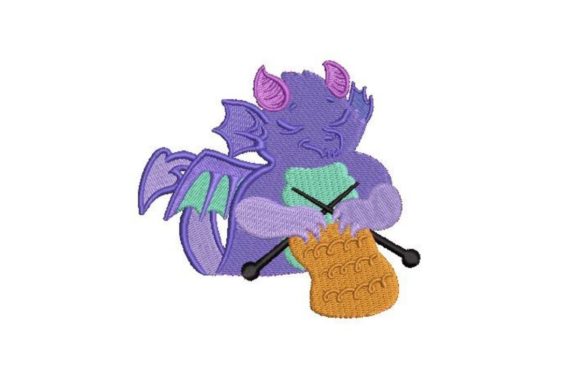
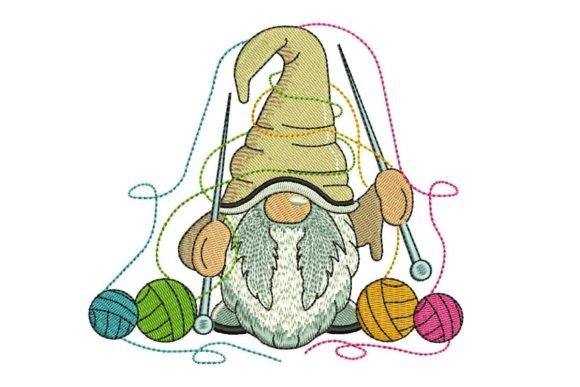
As an embroidery designer who’s digitized and stitched thousands of commercial projects—from café aprons to boutique tote bags—I immediately recognize Knitting Gnome as more than just a whimsical motif. The name alone evokes warmth, craft, and approachability—ideal for small businesses that lean into handmade authenticity: bakeries, florists, indie yarn shops, pet boutiques, or creative studios. But what stands out is how the description promises both “fun and easy to stitch” *and* “elegant and gorgeous.” That duality is rare—and valuable. It signals a machine embroidery design balanced between playful personality and refined execution. No cartoonish clutter, no over-engineered detail—just confident, scalable charm.
Real-World Performance Across Merchandise Types
In my studio, I test every embroidery file not just for stitch quality—but for *business resilience*. Here’s how Knitting Gnome holds up across common small business applications:
- Embroidered patch: Excellent candidate. Its clear silhouette, moderate detail, and central focal point (the gnome + knitting needles) translate cleanly at 2.5"–3.5" sizes—perfect for sew-on or iron-on patches on tote bags, jackets, or product packaging.
- Staff uniforms & aprons: Works beautifully as a left-chest accent or sleeve detail. The upright posture and centered composition avoid distortion on curved seams or bias-cut fabric. Ideal for cafés or craft studios wanting friendly yet professional branding.
- Cap embroidery: Use at 2" width max on front panels. Avoid low-profile caps with tight curvature unless you’ve tested on the exact blank—some gnomes lose legibility when stretched over domed crowns.
- Tote bag design: A standout choice. Stitched in high-contrast thread (navy on natural canvas, cream on charcoal denim), Knitting Gnome reads clearly from across a market stall—enhancing shelf presence without shouting.
- Product labels & customer gifts: When stitched onto linen tags, cotton drawstring bags, or handmade soap wraps, it reinforces artisanal credibility. Customers associate the motif with care, creativity, and tactile quality.
Where to Use Knitting Gnome Thoughtfully
Even strong designs need strategic placement. Here’s where attention matters:
- Avoid under 1.75" patch size—fine details like facial expression or needle texture may blur or skip on low-stitch-count runs.
- Test on dark or textured fabric before bulk production. Heavy weaves (like burlap or thick terry) can swallow fine outlines; always pair with cutaway stabilizer and slightly reduced top tension.
- Don’t assume cap-ready—check if the file includes a simplified version for curved surfaces. If not, request a digitized variant or adjust density manually.
- Beware high stitch density near knitwear motifs—if the design includes tight zigzag “yarn” lines or dense fill in the basket, verify wash durability. Overly dense fills crack after repeated laundering—critical for staff aprons or reusable merch.
Brand Identity Impact: More Than Just Cuteness
Small businesses don’t embroider for decoration alone—they embroider for recognition, trust, and emotional resonance. Knitting Gnome strengthens brand identity by doing three things well:
- Humanizes your offering: Unlike abstract logos, it implies story, craft, and care—key for Etsy sellers, local makers, or service-based creatives building community.
- Signals consistency without rigidity: It’s distinctive enough to stand alone on a plain tote, yet flexible enough to sit beside a wordmark or monogram in a full design system.
- Elevates perceived value: Customers subconsciously equate clean, balanced embroidery with attention to detail—boosting confidence in your handmade product, custom apparel, or curated merchandise line.
Practical Designer Notes Before You Stitch
Before sending Knitting Gnome to production—or presenting it to a client—follow these non-negotiable steps:
- Run a black-and-white test stitch first. This reveals contrast issues, hidden gaps, or unintended thread jumps that color masks.
- Check minimum viable size—scale down to 2" and inspect spacing between elements (e.g., hat brim and face, needles and basket). Tight gaps collapse on low-res machines.
- Review thread color contrast on your target fabric. A light beige gnome on oatmeal linen? Gorgeous—but only if your embroidery software confirms sufficient fill density for opacity.
- Confirm hoop size compatibility. If your shop uses 4x4 hoops exclusively, verify the largest version fits—or ask for a scaled variant.
- Always test on real fabric, not just tear-away stabilizer. Fabric texture changes stitch lay, especially with knits or slubs.
- Create a printable mockup for client sign-off—showing Knitting Gnome on their actual tote or apron blank builds trust and prevents costly rework.
- Compare it alongside your other design assets: Does it harmonize with your typography, palette, and existing logo? Consistency compounds recognition.
- Verify commercial licensing before using on resale items. As a machine embroidery design intended for small business merch, confirm it permits unlimited production—not just personal use.
Final Thought: A Versatile Asset, Not Just a Design
Knitting Gnome isn’t merely another digital embroidery file—it’s a versatile brand amplifier. For sewing-focused small businesses, it bridges craft heritage and modern professionalism. Whether stitched on a barista’s apron, a florist’s market tote, or a pet brand’s bandana, it delivers warmth without sacrificing polish. Used intentionally—with attention to fabric, scale, and context—it becomes part of your visual language, reinforcing why customers choose handmade, local, and human-made. In a crowded marketplace, that quiet confidence is worth every stitch.