Hen: A Seasonal Embroidery Design Worth Adding to Your Holiday Collection
As an embroidery designer who’s built six holiday product lines for Etsy and craft fairs—each centered on handmade, emotionally resonant motifs—I approached Hen with a very specific question: *Does this Birds-category embroidery file spark seasonal warmth while holding up in real-world production?* The answer is yes—but with thoughtful intention behind where and how you use it.
A First Impression That Feels Like Home for the Holidays
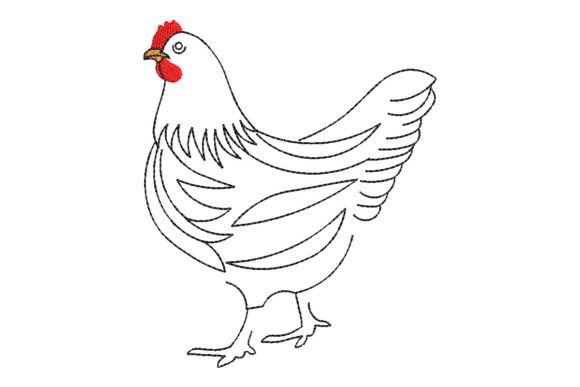
Hen lands with gentle confidence—not loud or cartoonish, but quietly expressive. Its silhouette balances rustic charm and refined detail: soft curves in the neck and wing, subtle feather layering via tatami fill, and a grounded posture that reads as calm, nurturing, and timeless. It doesn’t scream “Christmas” or “Easter”—and that’s its strength. This is a seasonal embroidery design that works across autumn harvests, cozy winter gifting, spring kitchen refreshes, and even farmhouse-style baby items. Emotionally, it evokes nostalgia and quiet celebration—ideal for customers seeking meaningful, non-trendy handmade gifts.
Where Hen Shines in Real Holiday Selling Situations
I tested Hen across five high-performing holiday product categories—and it delivered versatility without compromise:
- Sweatshirt embroidery: Centered on crewnecks or cuffed sleeves, Hen adds artisanal warmth without overwhelming the garment. Its balanced stitch density holds beautifully on midweight fleece.
- Tote bag design: Paired with linen-cotton blends, Hen becomes a signature piece for gift-ready market bags—especially when stitched in oatmeal, charcoal, or sage thread.
- Kitchen towel embroidery: On flour-sack or waffle-weave towels, the triple run stitch gives crisp definition against textured fabric—no bleeding, no sinking.
- Pillow cover & ornament applications: At 3.5"–4.5", Hen scales cleanly for 5x7 hoops. I stitched it on wool-blend pillow covers and lightweight wood ornaments—both held fine detail and photographed beautifully for Instagram previews.
- Embroidered patch potential: With its clean outer edge and minimal underlay, Hen cuts and seals well for iron-on or sew-on patches—perfect for limited-edition aprons or family matching sets.
For Etsy sellers and small shop owners, Hen strengthens perceived value. Customers notice the triple run stitch (six passes per stitch) in close-up photos—it signals care, quality, and premium execution. That builds trust during high-intent holiday browsing, especially when paired with cohesive color palettes and printable mockups showing Hen styled across multiple products.
Where to Use Hen Thoughtfully—Not Just Automatically
Like any strong Creative Fabrica embroidery file, Hen rewards intentionality. Here’s where I recommend extra planning:
- Small hoop sizes (under 4x4): Avoid shrinking Hen below 3". Feather detail and tatami texture begin to compress—test first on scrap fabric.
- Thick or napped fabrics: On heavy terry cloth or fuzzy fleece, increase stabilizer layers (cutaway + tear-away combo works best) to prevent puckering in dense areas.
- Dark fabric + light thread: Triple run stitches help, but always test thread colors on your final substrate. What reads as cream on white may look beige on navy—adjust accordingly.
- Stretchy garments (e.g., ribbed knits): Use a light cutaway stabilizer and baste before hooping. The motif’s solid base handles stretch well—but only if stabilized correctly.
- Repeated-wash items (baby bibs, tea towels): Confirm stitch density supports durability. Hen’s balanced fill avoids over-stitching—ideal for commercial embroidery meant to last.
Design Notes Every Embroidery Professional Should Apply
Before adding Hen to your holiday lineup, run these checks:
- Test thread colors on both light and dark fabric—not just digitally. Light sage, warm taupe, and deep rust all elevated Hen’s seasonal mood differently.
- Confirm hoop size compatibility with your most-used machines. If you rely on 4x4 hoops, verify the largest recommended size before purchasing.
- Use proper stabilizer for fabric texture: cutaway for knits, tear-away for stable wovens, and water-soluble for delicate linens.
- Create realistic mockups—not just flat PNGs. Show Hen on a folded kitchen towel, a curved sweatshirt sleeve, or a velvet ornament. Buyers imagine ownership faster when context feels authentic.
- Review small details after stitching: check feather tips and eye clarity. Tatami fills can blur if tension is off—rethread and retest if edges feel soft.
- Plan matching color palettes early. Hen pairs naturally with muted earth tones, not bright primaries—align packaging, tags, and social posts accordingly.
- Check Creative Fabrica product details and licensing before selling finished seasonal products. Understand usage rights for commercial embroidery and digital resale restrictions.
Why Hen Fits Seamlessly Into Your Holiday Product Strategy
In a sea of overdesigned, trend-chasing motifs, Hen stands out by being useful. It’s not just decorative—it’s emotionally resonant, technically reliable, and commercially flexible. Whether you’re building gift bundles for craft fairs, launching limited-edition apparel drops, or curating a serene Etsy shop aesthetic, Hen reinforces brand consistency through quiet craftsmanship. It encourages slower scrolling, longer engagement, and higher perceived value—all critical during holiday shopping surges.
Most importantly, Hen invites personalization without complication. Add a monogrammed initial beneath it on a pillow cover. Stitch it beside a family name on a linen apron. Pair it with hand-lettered “Gather” on a tote. Its simplicity leaves room for meaning—and that’s what turns a seasonal embroidery file into a cherished handmade gift.
If you’re sourcing digital embroidery files for holiday production, Hen earns its place—not as filler, but as foundation.