Cross Stitch Border: A Practical Designer’s Review
First Impressions: Simple, Charming, and Surprisingly Versatile
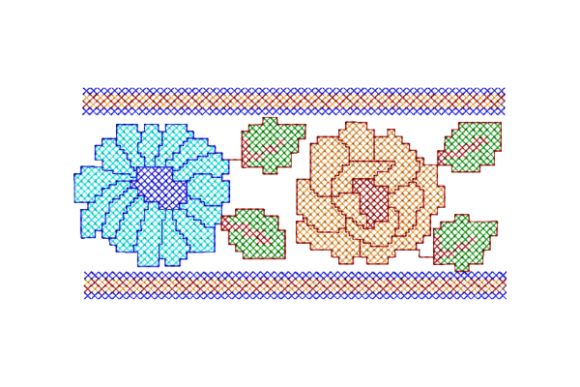
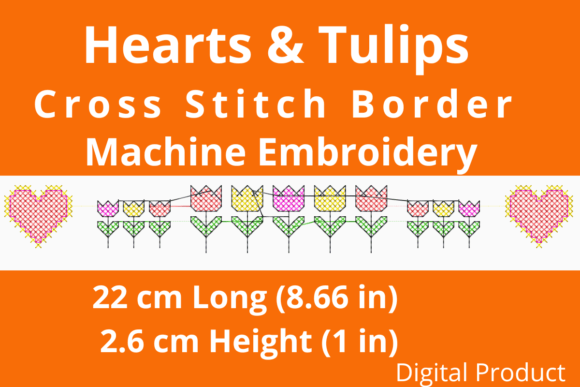
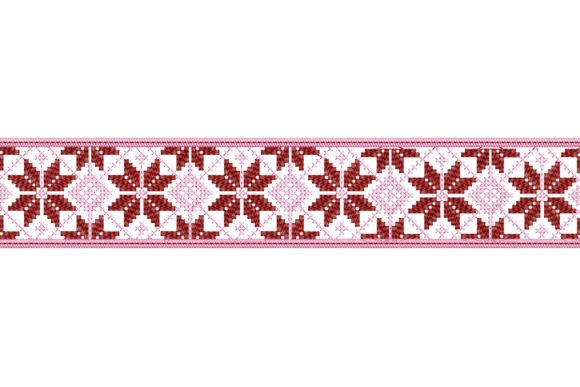
When I opened Cross Stitch Border for the first time, I wasn’t expecting much—just another border. But it surprised me. It’s not fussy or overly ornate; instead, it carries a gentle rhythm, like a quiet hum of hand-stitched tradition translated into clean, modern geometry. The repeat feels intuitive—not too tight, not too sparse—and the motif balances open space with subtle detail. It reads as “handmade” without looking amateurish, which is exactly what my clients respond to in boutique apparel and personalized gifts.
A Real-World Test: Embroidering a Linen Kitchen Towel
Last week, I used Cross Stitch Border on a set of custom linen tea towels for a local kitchenware shop. We placed it along the bottom hem—about 4 inches tall, repeated across three towels. The result? Instant cohesion. It didn’t compete with the towel’s texture but enhanced it, giving each piece a grounded, intentional finish. Customers noticed immediately: “It feels special, not mass-produced.” That’s the quiet power of a well-chosen border—it elevates the whole finished product without shouting.
Where It Shines (and Where It Needs Thought)
Cross Stitch Border works beautifully on stable, medium-weight fabrics: cotton canvas for tote bag designs, brushed cotton for sweatshirt embroidery, even quilting-weight linen for nursery decor. On baby embroidery projects—like a onesie cuff or bib edge—it adds sweetness without overwhelming delicate scale. For holiday embroidery or wedding gifts, it frames monograms or tiny motifs with respectful restraint.
But here’s where attention matters: on stretchy knits (think t-shirts or lightweight caps), the design’s clean lines can blur if stabilizer isn’t layered thoughtfully. On dark fabric, thread color contrast becomes critical—test your chosen palette on scrap first. And while it’s not dense, avoid cramming it into hoops smaller than 4×4 inches without checking corner clarity. Tiny corners or tight curves—like around a curved apron pocket or cap brim—may need slight manual adjustment to keep proportions balanced.
What It Adds Beyond Decoration
This isn’t just visual polish. Cross Stitch Border quietly strengthens perception of value. When customers see consistent, confident borders on your Etsy seller listings or craft fair products, they read professionalism—not hobbyism. It supports brand consistency across small shop product lines: same border on a pillow cover, matching tea towel, and embroidered patch creates visual continuity that builds recognition. And because it’s inherently scalable and repeatable, it fits seamlessly into printable mockups and digital product previews—making your design assets feel cohesive before a single stitch is made.
Design Notes from the Hoop
As someone who’s stitched hundreds of commercial embroidery projects, here’s what I always check before committing Cross Stitch Border to a client piece:
- Test on scrap fabric first—especially if using textured or loosely woven material. Linen’s slubs can catch delicate running stitches; cotton duck holds them cleanly.
- Review stitch density in the file preview. Not too heavy for lightweight items, not too airy for structured pieces like embroidered patches.
- Confirm hoop size compatibility. If you’re digitizing for machine embroidery design use, verify the repeat fits comfortably within your standard hoop dimensions—or adjust spacing manually.
- Inspect small details at actual stitch size. Does the inner line stay legible at 1.5 inches tall? Does the corner motif resolve cleanly when repeated?
- Try black-and-white mockups. A border this subtle can vanish on low-contrast fabric combos—better to catch that early.
- Use proper stabilizer: tear-away for stable wovens, cut-away for knits or layered garments like hoodies.
- Check licensing before selling finished items or reselling the digital embroidery file. Even simple borders fall under copyright—confirm terms before adding to your craft business inventory.
Fabric & Function: Matching Intention to Material
I’ve used Cross Stitch Border on everything from denim jacket hems to silk ribbon bookmarks—and its success always hinges on alignment between design intent and material behavior. On thick blankets or wool-blend throws, it reads as cozy and artisanal. On crisp white cotton for bridal shower napkins? Elegant and timeless. But on sheer or slippery synthetics, I’d pause: thread tension and fabric movement can distort clean lines. Same goes for highly textured surfaces—like bouclé or heavy embroidery floss backgrounds—where the border might visually sink instead of sit.
Final Thought: A Quiet Workhorse, Not a Showstopper
Cross Stitch Border won’t dominate your project—but that’s its strength. In a world of oversaturated applique design and flashy satin stitch flourishes, it offers something rarer: reliability. It’s the kind of embroidery file that earns repeat use across seasons, clients, and product categories—not because it’s flashy, but because it *works*. Whether you’re an Etsy seller building a signature look, a small shop owner curating holiday embroidery bundles, or a designer stitching personalized gifts for real people, this border earns its place by making every piece feel considered, cohesive, and quietly complete.