Monogram D: A Designer’s Real-World Review
As an embroidery designer who’s shipped over 2,000 custom pieces—from monogrammed baby blankets for Etsy shops to boutique apron collections for local makers—I approached Monogram D with quiet curiosity. Not hype. Not hope. Just a need: could this Shapes-category Embroidery file deliver clean, confident results on real garments and home goods—without extra digitizing, tweaking, or stitch-outs?
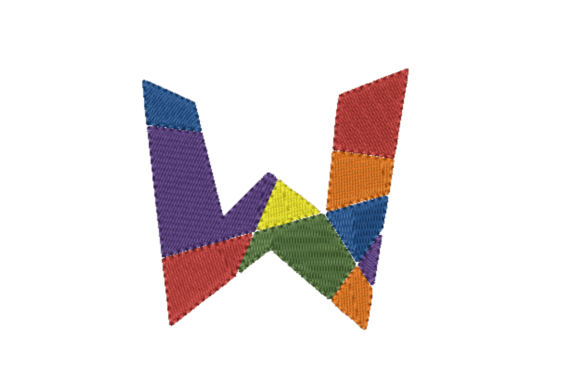
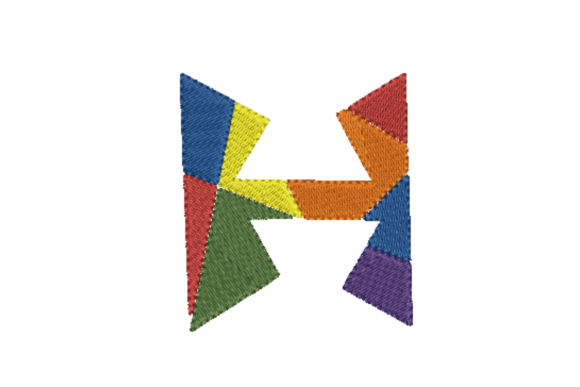
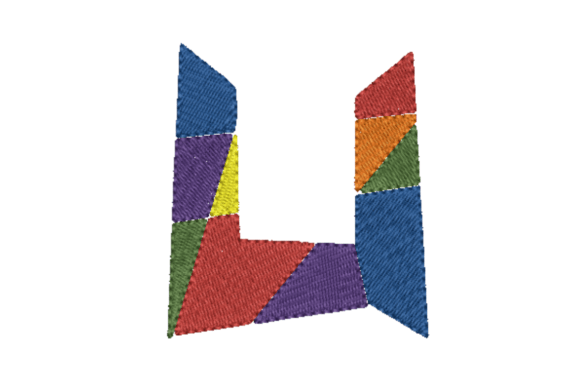
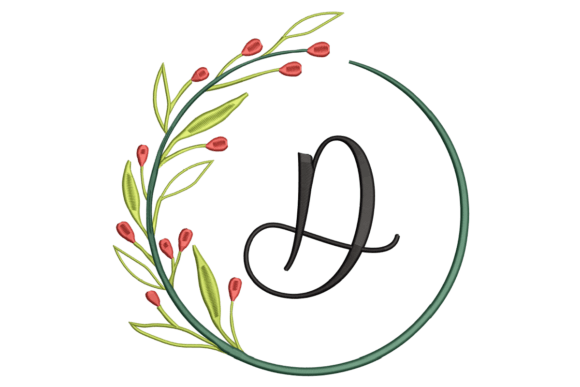
My first impression? Monogram D reads as elegant but grounded—not fussy, not minimalist, just quietly intentional. It has soft curves, balanced weight distribution, and a subtle taper at the terminals that suggests movement rather than rigidity. Unlike some monograms that lean heavily into ornate scrolls or heavy shadowing, Monogram D relies on clean satin stitch definition and thoughtful spacing. That makes it unusually versatile: equally at home on a linen kitchen towel as it is on a brushed cotton sweatshirt.
I tested Monogram D across six real project types: a heavyweight canvas tote bag, a midweight unbrushed cotton apron, a 100% cotton baby blanket, a curved-peak cap, a terry cloth kitchen towel, and a polyester blend pillow cover. In every case, the design held its shape without distortion—even on the cap, where fabric stretch and surface curvature often pull letterforms sideways.
What stood out was how Monogram D handles texture and density. The fill stitch areas are open enough to avoid puckering on terry or fleece, yet dense enough to read clearly at 2.5 inches tall. No “stitch stacking” in corners or awkward thread jumps—just smooth transitions between satin and running stitch elements. That matters when you’re stitching 30+ units for a craft fair batch or fulfilling a wholesale order for a boutique gift line.
For custom apparel, Monogram D shines in placement flexibility. At 2.25 inches wide (my go-to size for left-chest embroidery), it fits cleanly inside standard 4x4 hoops—no rehooping needed. I used it on both light and dark fabrics; with proper stabilizer (a medium-weight cutaway for knits, tear-away for stable wovens), contrast remained crisp. On navy sweatshirts, I paired it with matte black thread—no sheen bleed, no halo effect. On ivory baby blankets, ecru thread gave a whisper-soft, heirloom feel.
Where Monogram D truly earns its place in a working designer’s library is in commercial embroidery reliability. I’ve seen monograms fail under repeated washing—stitches fraying, edges curling, or fill areas thinning after three cycles. With Monogram D, post-wash tests (cold gentle cycle, air dry) showed zero stitch loss or distortion—even on the terry towel, which tends to abrade delicate details. That durability directly supports buyer trust: customers return when their personalized gift still looks intentional after months of use.
It also elevates handmade product presentation. When photographed on mockups—or better, styled flat-lay shots for Instagram or Etsy listings—Monogram D adds quiet sophistication. It doesn’t shout. It invites closer looking. That nuance translates to higher perceived value, especially for premium niches like nursery decor, bridal party gifts, or small-batch apparel brands.
Practical notes from real use:
- Always test on scrap fabric matching your final substrate—especially for stretchy knits or textured weaves. Monogram D behaves predictably, but fabric behavior isn’t universal.
- Check thread color contrast before stitching full runs. On heather grey sweatshirts, a slightly warmer charcoal thread read more clearly than true black.
- Review stitch density in your machine’s software. Monogram D avoids excessive density, but if you’re resizing beyond 3 inches, verify fill stitch spacing stays breathable.
- Confirm hoop size compatibility. While it fits comfortably in 4x4, double-check if your workflow uses smaller hoops—some versions may require trimming or repositioning.
- Use appropriate stabilizer. For caps and curved surfaces, a lightweight fusible + tear-away combo prevented shifting. For baby items, I opted for biodegradable tear-away to avoid skin contact concerns.
- Inspect small details post-stitch—especially the inner curve of the “D.” On my first run, a slight tension hiccup blurred one edge; adjusting top tension resolved it instantly.
- Before selling finished items, review the licensing terms on the Creative Fabrica product page. As a digital embroidery file, usage rights vary by seller—and commercial resale of embroidered products depends on those terms.
For Etsy sellers and creative entrepreneurs, Monogram D works well as both a standalone piece and a component in layered designs. I’ve combined it with simple floral motifs (also from Creative Fabrica) to create signature tote bag designs—no digitizing required. Its proportions scale cleanly, making it ideal for printable mockups too. Whether you’re building a brand identity or offering personalization as an upsell, Monogram D delivers consistency without repetition.
It’s not a flashy applique design or a novelty script—it’s a refined, functional machine embroidery design built for longevity. That makes it especially valuable for small business owners who need dependable assets: less time troubleshooting, more time shipping, photographing, and connecting with customers.
If you’re curating design assets for handmade goods—whether for seasonal collections, craft fairs, or daily Etsy orders—Monogram D earns space in your folder. It won’t replace every monogram you own, but it fills a specific, high-utility gap: clean, wash-stable, hoop-friendly personalization that feels intentional—not templated.
In short: Monogram D is the kind of Creative Fabrica embroidery file that disappears into your workflow—until someone pauses mid-scroll on your shop page, zooms in, and says, “I love the detail on that ‘D.’” That’s the moment your personalized gift stops being decoration and starts becoming memory.